Serving the San Fernando Valley

Service dog training that holds up in the real world.

I train service dogs and run immersive board-and-train programs across the Valley — building dogs that stay reliable in a crowded grocery aisle, not just in a quiet living room. Clear plans, honest timelines, and no talk of registries that do not exist.

Owner-trained programs Force-free, reward-based Handler coaching included
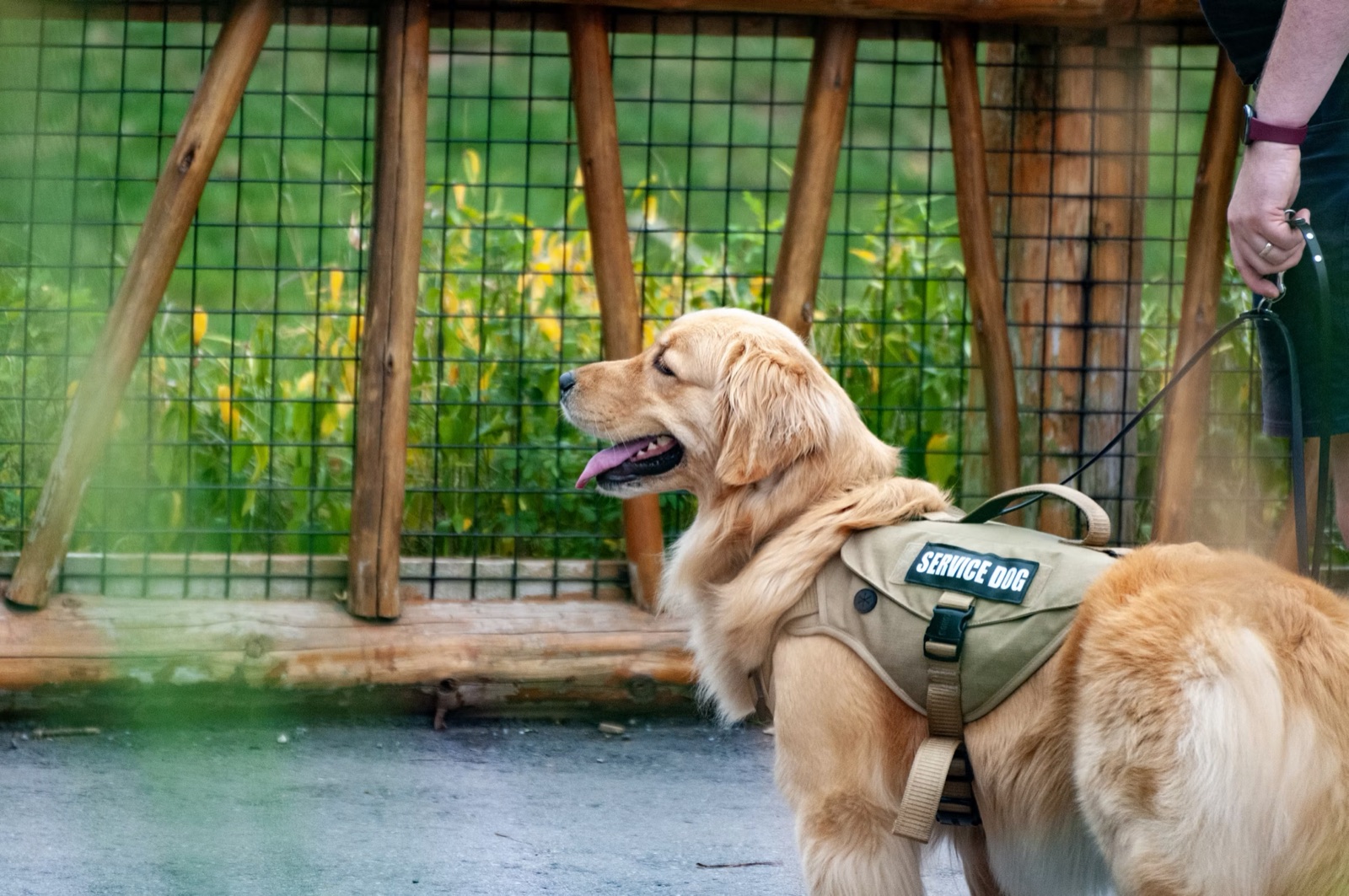
A golden retriever in a service dog harness, waiting calmly on lead.
What I do

Two programs, both built around the dog in front of me.

Every dog starts with an assessment. Nothing gets sold before I have seen what the dog can actually do.

Specialty

Service Dog Training

For handlers with a disability who need a dog that works. We build the foundation, train the specific tasks that mitigate your disability, then proof the whole thing in public until it is boring.

  • Candidate temperament evaluation before you commit
  • Task training — mobility, medical alert, psychiatric, autism support
  • Public access preparation to industry standard
  • Handler coaching, because you do the work in the end
Explore service dog programs
Immersive

Board & Train

Your dog lives and trains with me for two to six weeks. Short, frequent sessions through the day in real environments — then a proper handover so the results come home with you instead of staying behind.

  • Two, four, and six-week tracks
  • Photo and video updates every few days
  • Two handover lessons built into every program
  • Thirty days of follow-up support after your dog goes home
Explore board & train
How it works

From first email to a dog you can rely on.

Consult

You tell me about your dog and what you need. I tell you honestly whether I am the right fit and what it will realistically take.

Assessment

I meet the dog. Temperament, sociability, sound sensitivity, recovery from startle. For service work this decides everything.

Training

A written plan with milestones. You get regular updates and you see the work — no black box, no vague progress reports.

Handover

I teach you to run what the dog now knows, then stay reachable. A trained dog with an untrained handler unravels within a month.

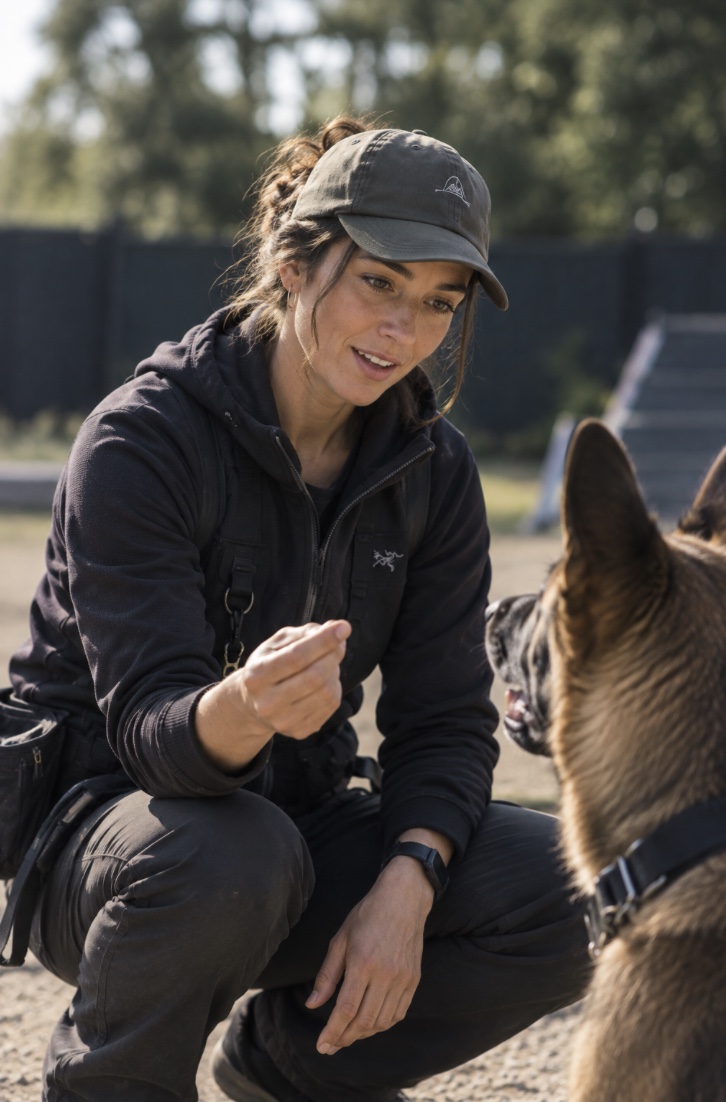
Liz Swerdlow crouched at eye level with a German shepherd during a training session.
Straight answers

What most service dog websites will not tell you.

There is a lot of money being made off people who need a service dog. Here is the plain version, so you can spot the difference.

No certification exists

Under the ADA there is no federal service dog certification, license, or registry. Sites selling them are selling nothing.

Vests prove nothing

A vest is useful equipment and a courtesy to the public. It carries no legal weight. Training is what makes a service dog.

Owner-training is legal

You are entitled to train your own service dog. You do not have to buy a finished dog from a program to have access rights.

ESAs are different

Emotional support animals are not service dogs under the ADA and do not carry public access rights. I will tell you which you need.

The honest caveat: not every dog can do this work. Somewhere between half and three quarters of candidate dogs wash out of service work industry-wide. If I think your dog is not suited, I will say so at the assessment rather than take two years of your money finding out.

Where I work

Across the San Fernando Valley.

Training happens where you actually live your life — your street, your shops, your routine. Home visits and public-access sessions throughout the Valley.

  • Sherman Oaks
  • Studio City
  • Van Nuys
  • Burbank
  • North Hollywood
  • Encino
  • Tarzana
  • Woodland Hills
  • Reseda
  • Northridge
  • Granada Hills
  • Chatsworth
  • Canoga Park
  • Valley Village
  • Toluca Lake
  • Sun Valley
  • Panorama City
  • Mission Hills
  • Porter Ranch
  • Winnetka

Just outside the Valley? Email me — I take some work in the wider Los Angeles area.

Common questions

Before you email.

How long does service dog training take?

Plan on eighteen months to two years from a suitable young dog to a finished service dog. Foundation work and public neutrality take the bulk of it; task training is often the fastest part. Anyone quoting you a few weeks is selling a vest, not a service dog.

Can you train the dog I already have?

Sometimes. It depends entirely on temperament — a dog needs to be genuinely unbothered by novelty, noise, and crowds, and to recover quickly when startled. That is what the assessment is for, and it is the most useful money you will spend.

What does it cost?

Service dog programs are priced per plan after the assessment, because the gap between a green-broke young dog and a dog with three months of foundation is enormous. Board and train runs on fixed two, four, and six-week rates. I quote in writing before anything starts and I do not take deposits at a first meeting.

What training methods do you use?

Reward-based and force-free. Marker training, shaping, and careful management of the environment so the dog rehearses the right thing. No prong collars, no e-collars, no corrections-based obedience — for service work in particular, a dog trained through avoidance is a dog that shuts down when it matters.

Do you take aggression cases?

Not for service dog candidacy — a dog with a bite history is not a public access dog, and I will be direct about that. For pet dogs with reactivity, email me with the specifics and I will tell you honestly whether to work with me or with a veterinary behaviorist.

Where do you train?

Your home and your neighborhood for private work, and real public environments across the Valley for access training. Board and train dogs live with me and work in a rotation of environments through the day.
Tell me about your dog.

Send me the situation and what you are hoping for. I read every message myself and reply within one business day — including the ones where the answer is that I am not the right person.

Request a consultation Meet your trainer